Why History Matters
Written by: Rachael McClain, PhD |National WASP WWII Executive Director What if one of the most powerful tools for strengthening communities was not a new program or policy, but a deeper […]
What to See at the WASP Museum: A Visitor’s Guide to Avenger Field
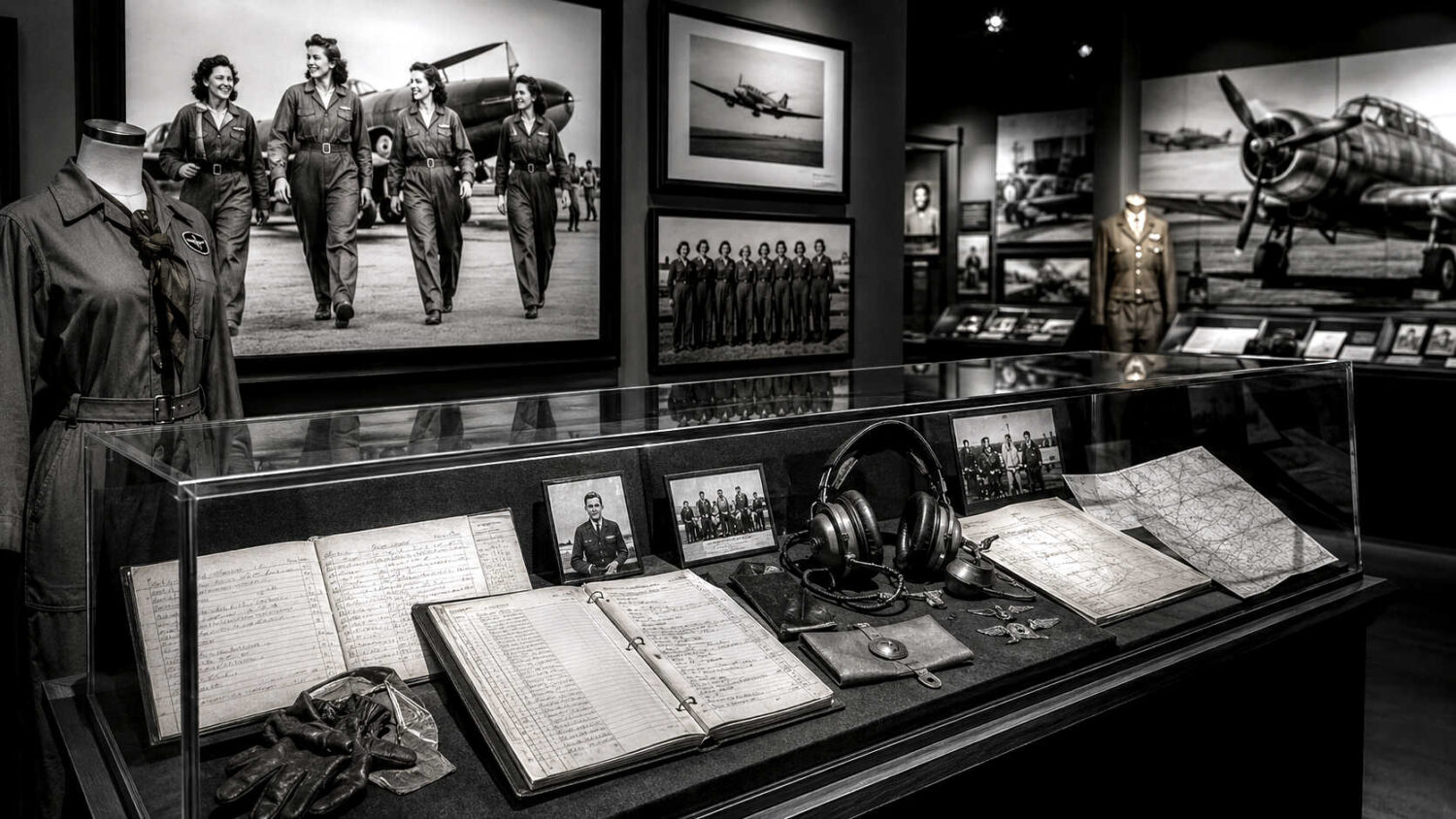
The WASP Museum gives visitors a meaningful look into one of the most important chapters in women in aviation history. Located on the historic grounds where the Women Airforce Service […]
WWII Aviation at Avenger Field: Why Sweetwater, Texas Became a Training Hub
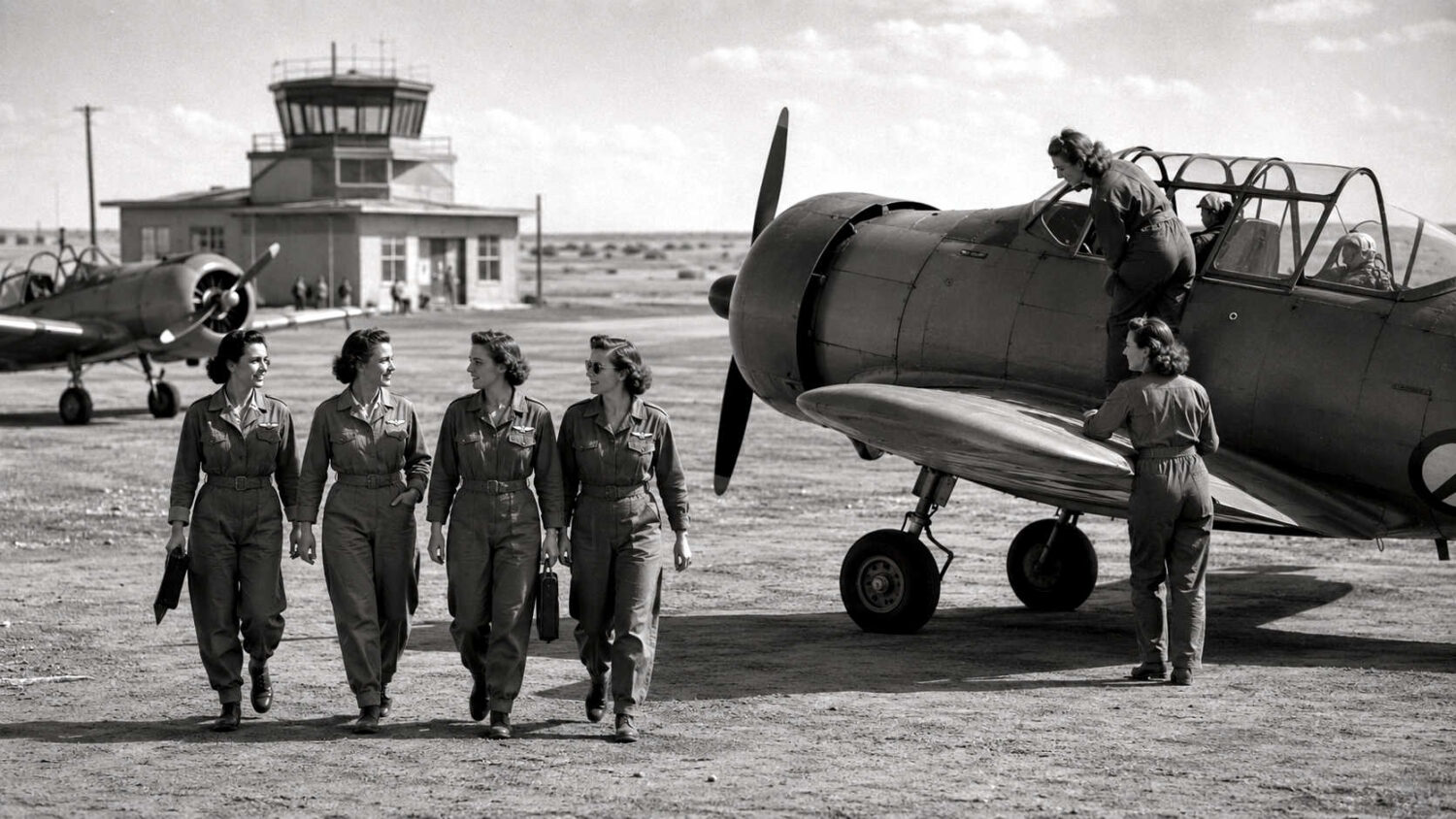
During World War II, aviation changed almost every part of the war effort. Aircraft carried supplies, supported troops, moved equipment, trained pilots, and connected factories, airfields, and military bases across […]
Famous Women in Aviation Who Changed the Aerospace Industry Forever
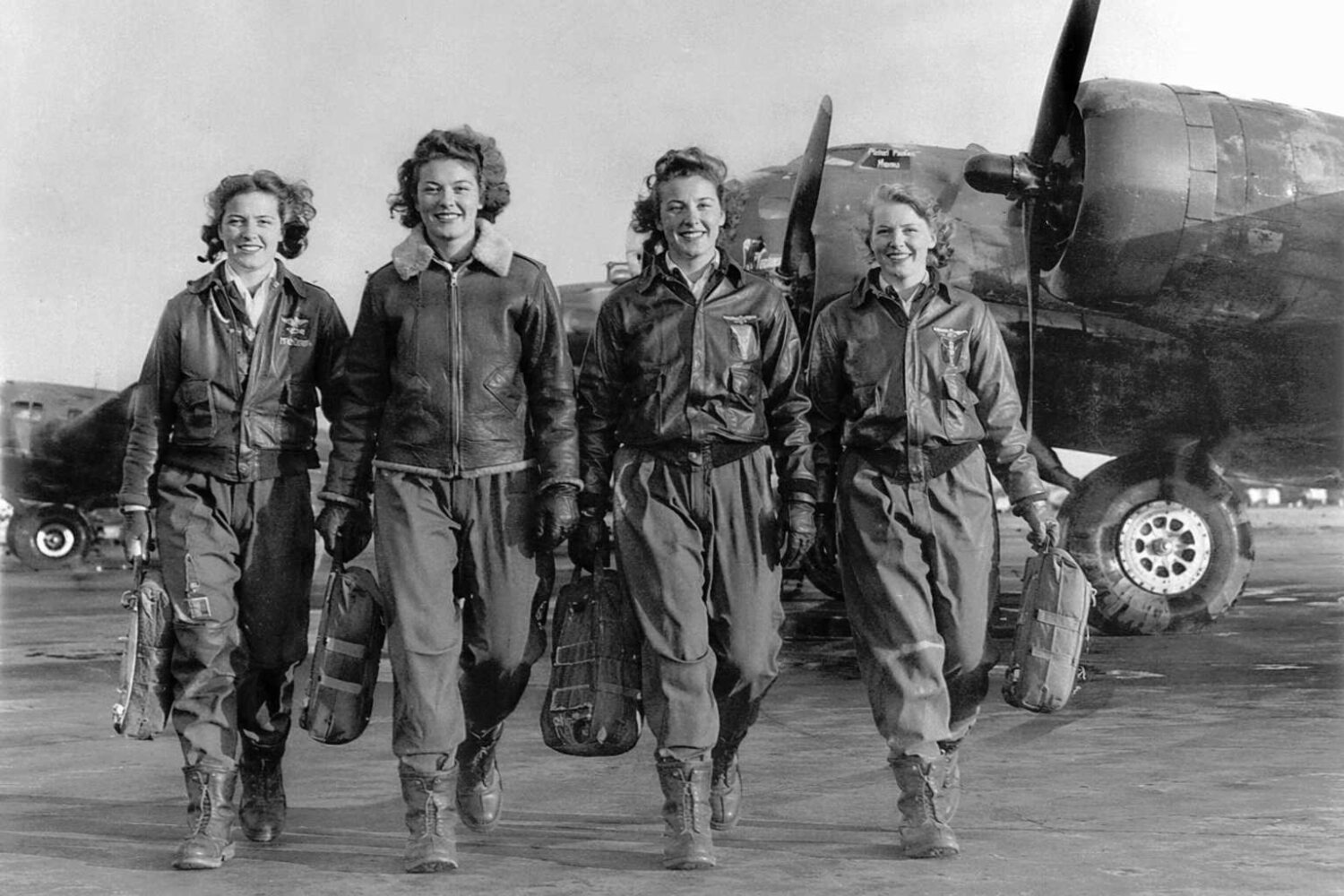
Aviation history often highlights speed and innovation, but it also reveals a deep legacy of determination. Women shaped the industry by challenging expectations and redefining what was possible in flight. […]
Women’s History in World War II Aviation: How Female Pilots Supported the War Effort
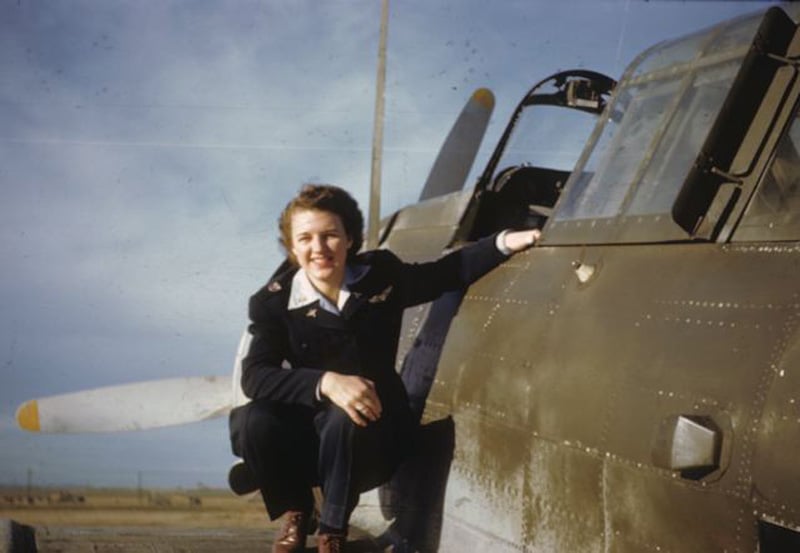
Women History: World War II led to a huge increase in aviation resources in the United States and its allies. Aircraft production grew rapidly. Training bases spread nationwide, and the […]
Jacqueline Cochran: The Trailblazer Who Redefined Speed and Women’s Aviation History

Jacqueline Cochran: Aviation Pioneer and Leader of the WASP Jacqueline Cochran occupies a central place in twentieth-century aviation history. Her career spanned air racing, military organization, flight testing, and record-setting […]
March 2
By 1944, the WASP program had trained 569 women pilots.
March 1
In 1977, Baa Baa Black Sheep Episode “Black Sheep Squadron” W*A*S*P*S premieres in the first season, episode 20. WASP Dorothy J. Dodd Eppstein 44-1 WASP June Braun Bent 44-3 is […]
February 6
In 1943, the previous goal of graduating 396 pilots, doubled to 750. WASP Alma Marie Jerman Hinds 43-2 is born in 1915. WASP Margaret E. Kerr Boylan 43-2 is born […]
February 5
WAFS Cornelia Fort is born in 1919 at Nashville, TN WASP Carol Kelly Granger is born in 1921 WASP Mary Eleanor Martin Sabota is born in 1918