
Aviation history often highlights speed and innovation, but it also reveals a deep legacy of determination. Women shaped the industry by challenging expectations and redefining what was possible in flight. Crucial to aviation since its start, they helped the industry grow despite significant obstacles.
As aviation expanded in the early 20th century, the aviation industry limited opportunities for women. Despite these challenges, a small but determined group of female aviators began to make their mark. Their work showed that skill, discipline, and courage—not gender—define a great pilot. This shifted public perception and opened doors for future generations.
World War II marked a turning point for women in aviation. The rapid expansion of military air power created a strong demand for skilled pilots. This urgency removed long-standing barriers to entry. During this critical time, women mobilized to support the war effort. Their contributions left a lasting mark on aviation history.
Early Women in Aviation: Pioneers Who Took Flight First
Even before the war, early female aviators were breaking records and challenging social norms. These milestones pushed the industry’s boundaries. They proved that women could meet the technical demands of flight.
Amelia Earhart is one of the most famous female aviators. Her record-setting flights drew worldwide attention and inspired many future pilots. Earhart was the first woman to complete a solo flight across the Atlantic Ocean. She showed great skill and resilience.
Bessie Coleman was a true pioneer. She was the first black woman to earn a pilot’s license. She broke racial and gender barriers to earn her pilot’s license in France. At that time, no American flight school would accept her. Coleman’s legacy extends beyond aviation; she became a symbol of perseverance and equality.
These early pioneers in aviation established a foundation of excellence. Their achievements showed that women could meet the same tough standards as men. This helped change attitudes and opened new opportunities for future generations in the field.
Women in Aviation During World War II
The onset of World War II accelerated the growth of aviation. Aircraft production surged, and the demand for trained pilots increased at an unprecedented rate. With many male pilots overseas, the U.S. faced a critical shortage of personnel for domestic aviation.
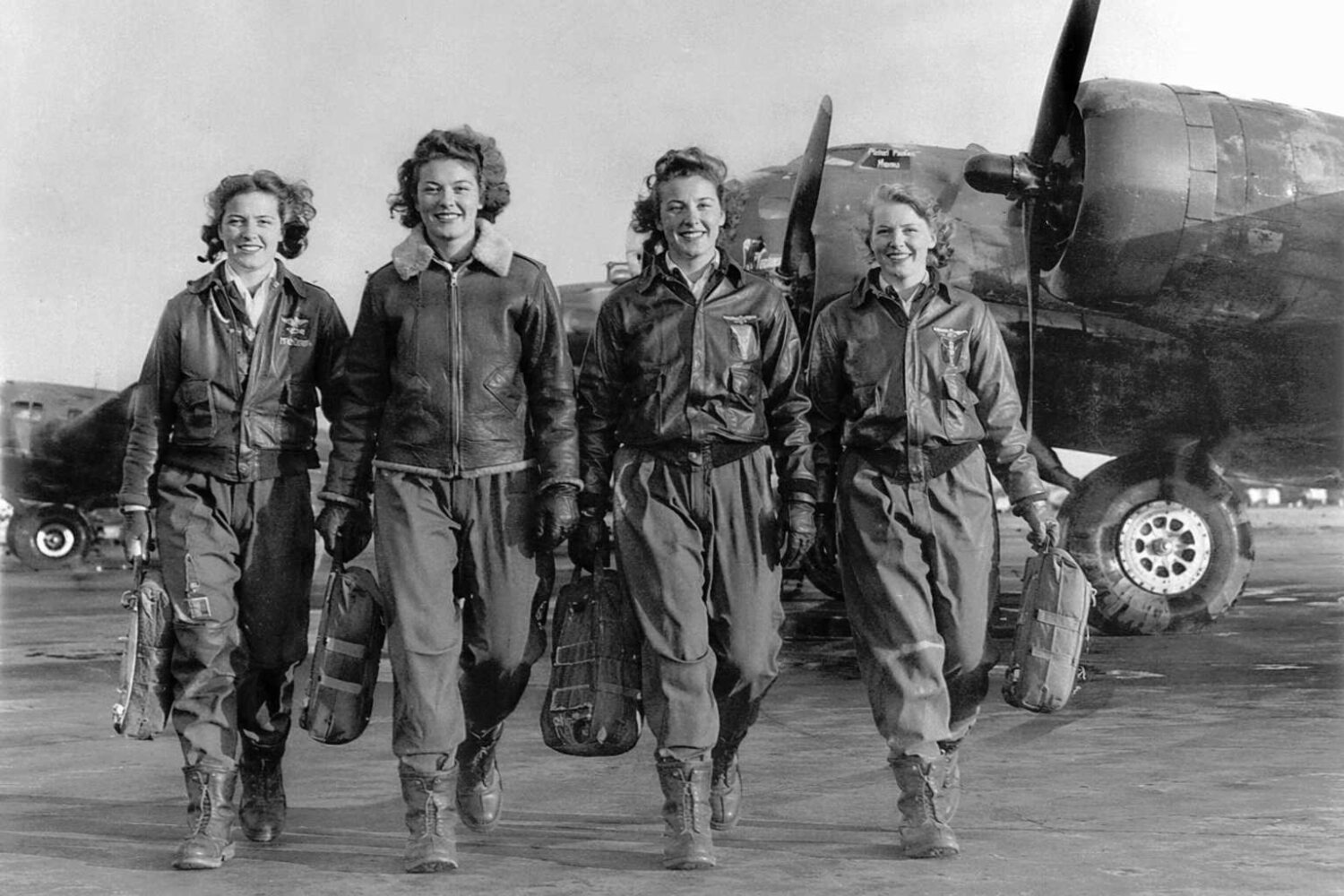
This personnel shortage created new opportunities for women. For the first time on a large scale, women took part in military aviation efforts through direct recruitment. They couldn’t serve in combat roles, but their work was essential. This work helped keep the Army Air Forces efficient and ready.
Women held vital roles ferrying aircraft, testing repaired planes, and supporting training missions. These roles let combat pilots focus on frontline operations. Thus, women became essential to wartime aviation.
The Women Airforce Service Pilots and Their Impact
One of the most significant developments during World War II was the creation of the Women Airforce Service Pilots (WASP) program. The WASP program began in 1943 when two earlier initiatives merged. It brought female pilot training and operations together in one organization.
Jacqueline Cochran was a skilled aviator. She led the WASP program and pushed for women to take on greater roles in aviation. Leaders like Nancy Harkness Love worked with her to organize and direct its operations.
More than 1,000 women completed the rigorous training required to become WASP pilots. Once qualified, program leaders assigned them a wide range of responsibilities.
Their duties included:
- Ferrying new aircraft from factories to military bases
- Towing targets for live-fire training
- Conducting test flights on repaired aircraft
The impact of the WASP program was both immediate and far-reaching. By taking on critical domestic aviation roles, these women freed male pilots for combat duty. The WASP pilots ensured aircraft were kept up, delivered, and ready for flight, providing a vital contribution to the war effort.
Training and Life as a Female Pilot in WWII
Becoming a WASP pilot required discipline, skill, and determination. Training took place at Avenger Field in Sweetwater, Texas. Candidates followed a program that met the standards of male military pilots.
The curriculum combined classroom instruction with extensive flight training. Trainees learned navigation, meteorology, and aircraft mechanics. They also logged many flight hours in different aircraft types. This training ensured each pilot could meet military standards in a safe and effective manner.
Life at Avenger Field was demanding. Trainees adhered to strict schedules and had to meet high performance standards. These shared challenges helped the pilots form strong bonds. Their love for aviation and service united them.
Although they performed military functions, authorities classified WASP pilots as civilians. This distinction meant they did not receive the same benefits or recognition as their male counterparts at the time. Even so, their professionalism and dedication were evident in every aspect of their work.
Famous Female Pilots Who Changed Aviation
Many women have left a lasting impact on aviation history. These pilots shattered technical limits and challenged gender roles. They built a foundation for women in commercial flight and modern aerospace.
Early pioneers, such as Amelia Earhart and Bessie Coleman, led the way for women in aviation. The Women Airforce Service Pilots (WASP) also played a key role. Jacqueline Cochran directed the WASP program and set many aviation records throughout her career.
Nancy Harkness Love was a pioneering aviator. She created the Women’s Auxiliary Ferrying Squadron before the WASP program began. Her leadership showed how effective women could be in aviation. This opened doors for more women to join the field.
Beyond the wartime era, figures like Sally Ride expanded the scope of women’s achievements in flight. As the first American woman to travel to space, Ride represented a new chapter in aviation and aerospace history.
These women, among many others, exemplify the courage and determination that define the legacy of female aviators.
Barriers Faced by Women in Aviation
Despite these accomplishments, women in aviation have faced significant challenges throughout history. Gender bias and limited training opportunities often hindered their progress.
WASPs faced barriers in World War II. These obstacles reflected the social attitudes of the time. For example, civilian status denied these pilots military benefits. Their contributions went unrecognized for decades because they lacked formal standing.
In the postwar era, opportunities for women in aviation remained limited. Many skilled and experienced female pilots struggled to secure commercial or military jobs.
Overcoming these barriers highlights the resilience of women in aviation. By continuing to pursue their goals in the face of adversity, they have helped create a more inclusive and fair industry.
Women in Aviation Today: Progress and Representation
In the decades since World War II, the role of women in aviation has continued to evolve. Today, women serve as commercial airline pilots, military aviators, engineers, and aerospace professionals.
Women in aviation have long been the hidden co-pilots of progress. Yet, diversity initiatives are helping them reach the cockpit with newfound momentum. These programs provide more opportunities for female professionals to share their skills. Increased representation makes the industry more vibrant and inclusive.
Flight schools, aviation groups, and industry leaders are pushing to get more women into aviation careers. These initiatives aim to provide access to training, mentorship, and professional opportunities.
Women are taking on a larger role in aviation. This growth shows the impact of past pioneers and the potential for future progress.
The Future of Women in Aviation
The future of aviation depends on innovation, talent, and a commitment to progress. Women are set to play an ever more important role in shaping that future.
Sustainable aviation and automation create new career opportunities. As these fields expand, the demand for professionals with these skill sets will continue to rise.
It’s important to encourage women to join aviation careers. This helps meet the rising need for skilled professionals. Promoting science, technology, engineering, and mathematics (STEM) prepares more women for these roles. Educators and industry leaders can create a more diverse workforce by backing these initiatives.
The next generation of female aviators will build on the work of their predecessors. They will keep pushing the limits of what’s possible in flight.
Preserving the Legacy of Women in Aviation
Education, research, and public engagement preserve the history of women in aviation. Institutions like the National WASP WWII Museum play a vital role in this effort.
The National WASP WWII Museum in Sweetwater, Texas, honors the legacy of the Women Airforce Service Pilots. It highlights the experiences and contributions of pioneering women. The museum achieves this through exhibits, educational programs, and historical preservation.
The museum shares stories so that future generations can grasp the importance of these achievements. It serves as a reminder of the impact women have had—and continue to have—on aviation.
FAQs
What was the Women Airforce Service Pilots program?
The Women Airforce Service Pilots (WASP) program was a World War II initiative that trained women pilots to support the U.S. Army Air Forces. These pilots performed non-combat roles. They ferried aircraft, tested planes, and helped with training operations.
How did female pilots contribute to World War II aviation?
Female pilots contributed by handling essential domestic aviation tasks. They transported and tested aircraft for flight readiness. This let male pilots focus on their combat missions.
Where did WASP pilots receive their training?
WASP pilots received their main training at Avenger Field in Sweetwater, Texas. The program offered classroom instruction and flight training. Both aimed to meet military standards.
Did women pilots take part in combat missions during the war?
Female pilots did not take part in combat missions during World War II. They focused on domestic aviation operations that supported military readiness.
How many women served in the WASP program?
More than 1,000 women completed the WASP training program and served as pilots during World War II.
Where can visitors learn more about WASP history today?
Visitors can explore the National WASP WWII Museum in Sweetwater, Texas. Here, exhibits and programs showcase the history and contributions of the WASP pilots.
Why Women in Aviation Continue to Shape the Industry
The contributions of women in aviation extend far beyond a single era. From early pioneers to modern professionals, female aviators have played a crucial role in advancing the field. Their work in World War II demonstrated vital skill and dedication. Their ongoing presence in the industry also reflects progress.
These women have broken barriers and reached new heights. Their work has made aviation more inclusive and dynamic. This legacy inspires future generations to chase careers in flight and aerospace.
The Lasting Legacy of Women in Aviation
The story of women in aviation is one of perseverance, innovation, and lasting impact. Female aviators, from early pioneers like WASP to today’s professionals, have shown they can adapt to a changing industry.
Today, advancements in the industry carry on this legacy. They create more opportunities for women. As more women enter the field, they carry forward a tradition of excellence that has shaped aviation history.
Institutions like the National WASP WWII Museum preserve these stories and make them accessible. These stories serve not only as a record of the past but also as a source of inspiration for the future of aviation.
Explore the History of Women in Aviation
To learn more about the remarkable contributions of the Women Airforce Service Pilots and the broader history of women in aviation, consider visiting the National WASP WWII Museum in Sweetwater, Texas. Ready to visit? Book Your Guided Tour | Book an Education Tour
Through carefully preserved artifacts, exhibits, and educational programs, the museum offers a deeper look into the lives and achievements of the women who helped shape aviation history.
Whether you are a student, aviation enthusiast, or history supporter, exploring these stories firsthand provides a meaningful connection to the legacy of those who paved the way.