The WASP Museum gives visitors a meaningful look into one of the most important chapters in women in aviation history. Located on the historic grounds where the Women Airforce Service Pilots trained during World War II, the museum preserves the legacy of the women who stepped into aviation roles at a time when the country urgently needed skilled pilots.
For visitors, the National WASP WWII Museum is more than a place to view exhibits. It is a place to stand where history happened, learn about the women who trained at Avenger Field, and better understand how their service helped shape the future of aviation.
Whether you are planning a family visit, researching World War II aviation, or looking for a meaningful stop in Sweetwater, Texas, the WASP Museum offers a powerful connection to the women pilots whose service deserves to be remembered.
What Is the WASP Museum?
The WASP Museum, formally known as the National WASP WWII Museum, is dedicated to preserving the history of the Women Airforce Service Pilots. These women, often referred to as WASP, trained and served during World War II by flying military aircraft in non-combat roles that supported the war effort.
The museum is located at Avenger Field in Sweetwater, Texas, which gives the site added historical importance. Visitors are not simply learning about the WASP program in a general museum setting. They are visiting the place most closely connected to the women’s training experience.
The museum helps visitors understand who the WASP were, what they were asked to do, how they trained, and why their story remains important today. For anyone interested in World War II, aviation, women’s history, or Texas history, the WASP Museum offers a focused and memorable experience.
Why Avenger Field Is Central to the WASP Museum Experience
Avenger Field is one of the most important reasons the WASP Museum experience feels so powerful. During World War II, Avenger Field became the only all-female WASP training base. Flight training from primary through advanced instruction took place there or at nearby auxiliary fields, making Sweetwater a central part of the WASP story.
That means visitors to the museum are not simply reading about a historic program from a distance. They are walking through a place directly tied to the women who trained, studied, marched, flew, and prepared for service.
Avenger Field connects the museum’s exhibits to the real landscape of training. The open skies, the airfield setting, and the preserved history all help visitors understand why this location matters. For many guests, that sense of place is one of the most meaningful parts of the visit.
Explore Exhibits About the Women Airforce Service Pilots
One of the most important things to see at the WASP Museum is the collection of exhibits focused on the Women Airforce Service Pilots themselves. These exhibits introduce visitors to the women who entered the program, the responsibilities they accepted, and the challenges they faced.
The WASP were already experienced pilots before entering the program, but their training at Avenger Field prepared them for aviation support duties tied to the U.S. Army Air Forces. Their work helped keep aircraft and training operations moving on the home front during World War II.
At the museum, visitors can learn about the women as pilots, trainees, service members, and individuals. Their story includes skill, discipline, courage, sacrifice, and persistence. The exhibits help show how these women helped expand the role of women in aviation during a time when opportunities were limited.
For visitors who are new to WASP history, this section of the museum provides the foundation for understanding everything else they will see.
See Artifacts That Bring WASP History to Life
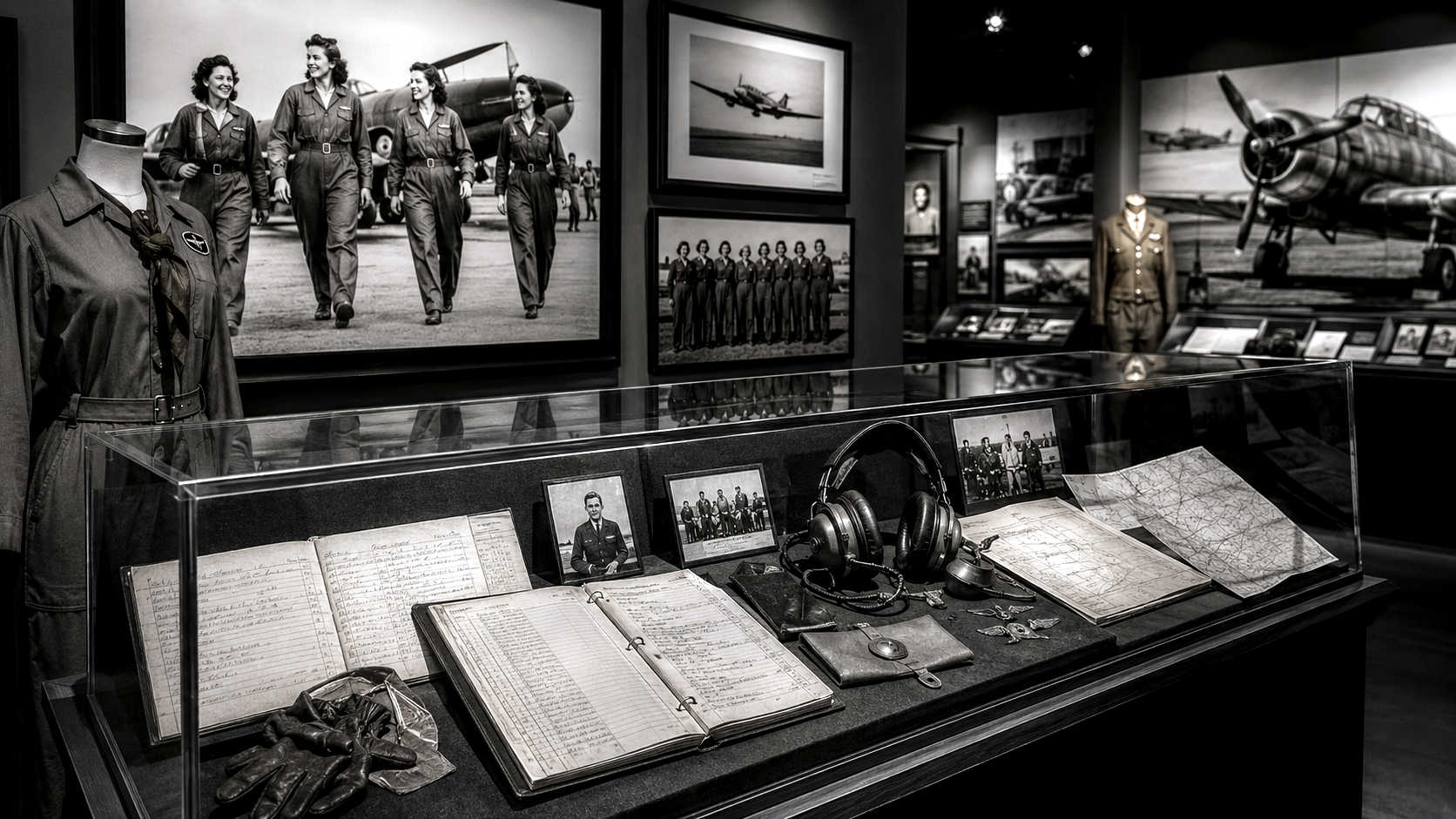
Artifacts are one of the most powerful parts of any museum visit, and the WASP Museum uses them to help bring personal stories into focus. Historic objects can make the past feel more immediate, especially when they are connected to real people who trained and served.
Artifacts at the WASP Museum help tell the story of the Women Airforce Service Pilots through personal materials, historic records, photographs, and aviation-related items connected to training and service during World War II.
Visitors may encounter photographs, correspondence, pilot logs, flight manuals, scrapbooks, uniforms, and other materials that help preserve the experiences of WASP trainees and graduates. These items give visitors a more personal connection to the women behind the history.
A photograph can show the confidence of a trainee standing near an aircraft. A letter can reveal the emotions of a woman far from home. A flight-related document can remind visitors that these women were part of a serious aviation program with demanding expectations.
Together, these artifacts help visitors see the WASP not only as a group, but as individuals with their own stories, goals, and contributions.
Learn How WASP Training Worked at Avenger Field
Training at Avenger Field was demanding. The women who entered the WASP program had to adjust to a structured environment that included flight instruction, ground school, inspections, marching, and military-style routines.
Visitors to the WASP Museum can learn how serious the training program was and how much discipline it required. The women were preparing to fly military aircraft in support of the war effort, so the expectations were high.
Training included classroom instruction, repeated flight drills, physical demands, and daily routines that reflected the structure of military life. The goal was to prepare women pilots for the responsibilities they would take on after graduation.
This part of the museum experience helps visitors understand that the WASP story was not symbolic. These women were trained, tested, and expected to perform. Their work required skill, focus, and resilience.
For additional historical context, the National Park Service provides a helpful overview of Women Airforce Service Pilots training and the role WASP played during World War II.
Step Into Daily Life for WASP Trainees
One of the most interesting parts of the WASP Museum experience is learning what daily life was like for trainees at Avenger Field. The women were not simply taking occasional flying lessons. They were part of a structured training environment that shaped nearly every part of their day.
Daily life could include barracks living, marching, ground school, inspections, physical training, and flight instruction. These routines helped create discipline and prepared the women for the pressure of aviation support work.
This section of the story helps visitors imagine what it was like to be a young woman training at Avenger Field during World War II. Many were far from home. They were living in a demanding environment, proving their abilities, and preparing to serve in a field that had often excluded women.
The Texas Woman’s University WASP archive offers more historical background on WASP training at Avenger Field, including the structure and challenges of the training program.
Look for Aircraft and Aviation Displays
Because the WASP Museum is rooted in aviation history, aircraft-related displays are an important part of the visitor experience. These displays help connect the personal stories of the WASP to the larger world of flight training and wartime aviation.
Aircraft and aviation exhibits help visitors understand the kind of environment the WASP trained in and the responsibilities they prepared for. They also make the history easier to visualize, especially for visitors who may not be familiar with World War II aircraft or military flight training.
For aviation enthusiasts, these displays add another layer to the museum experience. For students and families, they help turn the story of the WASP into something more tangible.
Before planning a visit around a specific aircraft display, check the museum’s current exhibit information, since displays and featured materials may change over time.
Visit the Archives and Collections
The WASP Museum plays an important role in preserving historical materials connected to the Women Airforce Service Pilots. Its archives and collections help protect the documents, photographs, records, and personal materials that keep this history accessible for future generations.
For researchers, educators, students, and families, collections like these are especially valuable. They offer a way to go beyond general facts and connect with the detailed record of individual lives and experiences.
The museum’s preservation work helps ensure that the WASP story is not lost or reduced to a footnote in World War II history. Instead, visitors can see how these women trained, served, corresponded, recorded their experiences, and remained part of a larger aviation legacy.
The Portal to Texas History also provides access to materials connected with the National WASP WWII Museum collections, giving readers another way to explore the history preserved by the museum.
How the WASP Museum Preserves Women in Aviation History
The WASP Museum is important because it preserves a major chapter in women in aviation history. The Women Airforce Service Pilots served at a time when women had to fight for recognition in many professional and military spaces, including aviation.
Their story is about more than flying. It is about opportunity, service, and the willingness to step into demanding work when the country needed help. The WASP proved that women could handle advanced aviation responsibilities and contribute meaningfully to the war effort.
For many years, the WASP story did not receive the same level of recognition as other World War II service stories. The museum helps correct that gap by keeping their experiences visible and accessible.
By preserving artifacts, exhibits, archives, and the history of Avenger Field, the WASP Museum gives visitors a place to honor the women who helped open doors for future generations of pilots.
What Makes the WASP Museum Different from Other Aviation Museums?
Many aviation museums focus on aircraft, combat history, military technology, or broad aviation milestones. The WASP Museum is different because it focuses specifically on the Women Airforce Service Pilots and is located at Avenger Field, where WASP training took place.
That combination makes the museum unique. Visitors can learn about the women, the aircraft, the training program, and the historic site all in one place.
The museum also tells a more personal side of aviation history. It highlights the individuals behind the program and helps visitors understand what their service required. Rather than only focusing on machines or missions, the WASP Museum centers the women who made the history possible.
For visitors who care about women’s history, World War II, aviation, or Texas heritage, that focus makes the museum especially meaningful.
Planning a Visit to the WASP Museum in Sweetwater, TX
If you are researching the WASP Museum Sweetwater TX before a trip, it helps to know that the museum is located at Avenger Field in Sweetwater, Texas. This location is central to the museum’s story because it places visitors on the historic training grounds of the Women Airforce Service Pilots.
Before visiting, check the museum’s current hours, tour options, event schedule, and any temporary exhibit information. Museum details can change, so confirming the latest visitor information ahead of time is always a good idea.
The WASP Museum can be a strong destination for many types of visitors, including students studying World War II or women’s history, families looking for an educational stop in West Texas, aviation enthusiasts interested in flight training history, veterans and military families, teachers, researchers, and history lovers.
Because the museum is tied so closely to Avenger Field, the visit offers both an educational and place-based experience. Guests are not only learning about the WASP. They are visiting the field where so much of the story unfolded.
How to Make the Most of Your Visit
A visit to the WASP Museum is most meaningful when you take time to connect the exhibits back to the people behind the history. Rather than moving quickly through the displays, slow down and look for personal details.
Start with the Avenger Field story so you understand why the location matters. Then spend time with the photographs, artifacts, and documents that show what the women experienced during training and service.
As you move through the museum, pay attention to details about daily routines, flight instruction, and the structure of the training program. These details help show how disciplined and demanding the WASP experience was.
It also helps to think about the broader legacy. The WASP were part of World War II aviation history, but they were also part of women in aviation history. Their service helped challenge assumptions about what women could do in the cockpit and in military aviation support roles.
Before your visit, check for current events, special exhibits, or tour opportunities. These can add another layer to the experience and help you get even more out of your time at the museum.
Why the WASP Museum Still Matters Today
The WASP Museum still matters because it preserves a story that could easily have been overlooked. The Women Airforce Service Pilots trained, served, and sacrificed during World War II, yet their recognition did not come as quickly as it should have.
The museum gives visitors a place to remember their service and understand their impact. It also helps connect the past to the present by showing how the WASP helped shape opportunities for women in aviation.
At Avenger Field, visitors can see how wartime need, aviation training, women’s service, and home front history came together. The museum turns that history into something people can see, study, and remember.
For today’s visitors, the WASP Museum is not only about what happened during World War II. It is about honoring the women who helped change aviation history and making sure their story continues to be told.
Conclusion
A visit to the WASP Museum is more than a stop at an aviation museum. It is an opportunity to stand at Avenger Field, learn the stories of the Women Airforce Service Pilots, and understand how their service changed aviation history.
From exhibits and artifacts to archives and aviation displays, the museum gives visitors a meaningful way to connect with the women who trained in Sweetwater and served during World War II. Whether you are visiting for the first time, planning a student trip, or exploring women in aviation history, the WASP Museum offers a powerful look at a legacy that deserves to be remembered.
The National WASP WWII Museum is open Tuesday through Saturday from 10:00 AM to 5:00 PM and is closed Sunday and Monday. Before planning your visit, check the museum’s current hours, tour options, and event schedule. Group tours are available by request, and visitors can learn more or submit a tour request through the museum’s Visit page.
Frequently Asked Questions About the WASP Museum
What is the WASP Museum?
The WASP Museum is a World War II aviation museum in Sweetwater, Texas that preserves the history of the Women Airforce Service Pilots and their training at Avenger Field.
Where is the WASP Museum located?
The WASP Museum is located at Avenger Field in Sweetwater, Texas, where many Women Airforce Service Pilots trained during World War II.
What can you see at the WASP Museum?
Visitors can see exhibits, artifacts, photographs, documents, aviation displays, and stories connected to the Women Airforce Service Pilots and Avenger Field.
Why is Avenger Field important?
Avenger Field is important because it became the only all-female WASP training base during World War II. Today, the WASP Museum preserves that history on the same grounds.
Why is the WASP Museum important to women in aviation history?
The WASP Museum is important to women in aviation history because it preserves the stories of women pilots who trained and served during World War II and helped expand the role of women in aviation.
Is the WASP Museum good for students and families?
Yes. The WASP Museum is a strong educational destination for students, families, aviation enthusiasts, and anyone interested in World War II history, women’s history, or aviation history.
What makes the WASP Museum different from other aviation museums?
The WASP Museum is different because it focuses specifically on the Women Airforce Service Pilots and is located at Avenger Field, the historic site where WASP training took place.