Women in World War 2: Service, Sacrifice, and Lasting Impact
Women in World War 2 answered the call in factories, hospitals, military units, volunteer organizations, and the skies above America. Their service helped support the Allied war effort, challenged traditional expectations, and opened new opportunities for generations of women who followed.
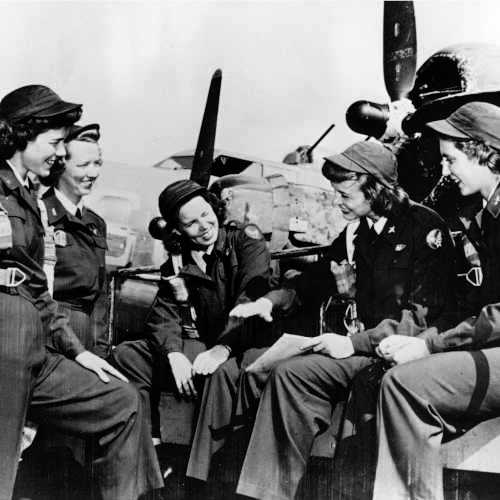
World War II transformed the lives of millions of American women. As the demands of the war grew, women entered occupations, military organizations, and areas of public service that had previously offered them limited opportunities.
How Did Women Contribute to World War II?
Women played essential roles throughout World War II, both at home and in military service. As millions of men entered the armed forces, women stepped into positions that were critical to keeping the nation’s industries, communities, and military operations moving forward.
Women worked in factories building aircraft, ships, vehicles, weapons, and other wartime equipment. They served as nurses, communications specialists, mechanics, clerks, drivers, instructors, and support personnel. Others worked in agriculture, transportation, government offices, laboratories, and volunteer organizations.
Thousands of women also joined military and auxiliary organizations created or expanded during the war. Their service demonstrated that women were capable of performing work that had traditionally been reserved for men and helped reshape expectations about women’s roles in American society.
Among these pioneering women were the Women Airforce Service Pilots (WASP), who took on vital flying assignments and helped free male military pilots for combat duty overseas.
Women in World War 2 Take on New Roles
World War II transformed the lives of millions of American women. As the demands of the war grew, women entered occupations, military organizations, and areas of public service that had previously offered them limited opportunities.
1941
The United States Enters World War II
After the United States entered the war, the need for workers and military support personnel increased dramatically. Women were called upon to help meet the demands of a nation at war.
1942
Women Expand the Wartime Workforce
Women took jobs in aircraft plants, shipyards, factories, offices, farms, hospitals, and other essential industries. At the same time, new opportunities for women to serve in the armed forces and military support organizations continued to grow.
1943
The Women Airforce Service Pilots Are Formed
The Women’s Auxiliary Ferrying Squadron and Women’s Flying Training Detachment were combined to form the Women Airforce Service Pilots (WASP). These civilian women flew military aircraft and performed important stateside missions in support of the U.S. Army Air Forces.
1944–1945
Women Help Sustain the War Effort
By the final years of the war, women were serving throughout American industry, military support, healthcare, transportation, aviation, agriculture, and countless other fields. Their contributions became an essential part of the nation’s wartime effort.
AFTER THE WAR
Their Service Leaves a Lasting Legacy
Although many women were expected to leave wartime positions after the war ended, their accomplishments had challenged long-standing assumptions about what women could do. The opportunities they helped create would influence generations to come.
The Women Airforce Service Pilots
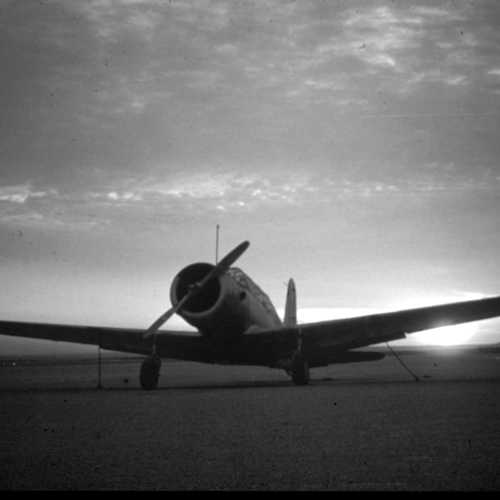
During World War II, experienced women pilots were recruited to help meet the nation’s growing aviation needs. In 1943, two earlier women’s flying programs were combined to form the Women Airforce Service Pilots, commonly known as the WASP.
WASP pilots ferried military aircraft, tested repaired aircraft, towed aerial targets, transported personnel, and supported flight training across the United States. Their service freed male military pilots for overseas combat assignments and demonstrated that women could successfully operate demanding military aircraft.
The WASP became an important part of the larger story of women in World War 2, expanding the ways women contributed to the war effort and leaving a lasting mark on American aviation.
Avenger Field: Where Women Trained for Wartime Service
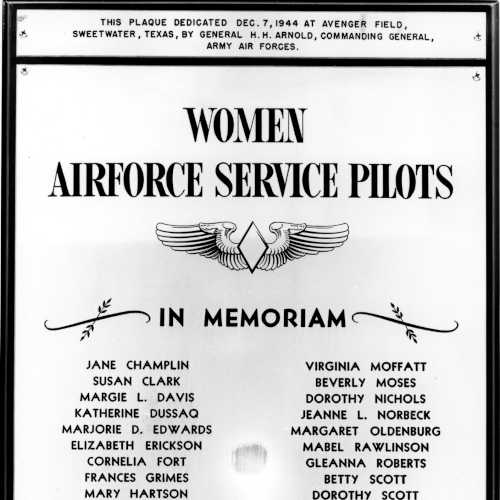
Avenger Field in Sweetwater, Texas, became the primary training location for the Women Airforce Service Pilots during World War II. Here, women prepared for demanding aviation assignments that supported the U.S. Army Air Forces and the nation’s war effort.
Trainees progressed through primary, basic, and advanced flight instruction while studying navigation, aircraft systems, military procedures, and flight safety. Their training prepared them to operate military aircraft and carry out assignments throughout the United States.
Today, the National WASP WWII Museum preserves the history of Avenger Field and the women who trained there through historic aircraft, personal artifacts, photographs, documents, and their individual stories.
Questions About Women in World War 2 and the WASP
What roles did women play in World War II?
Women served in many roles during World War II. They worked in factories, shipyards, offices, farms, hospitals, and other essential industries while also serving as nurses, military support personnel, pilots, mechanics, communications specialists, and volunteers.
How did women contribute to the war effort at home?
Women helped keep American industry and communities operating as millions of men entered military service. They produced aircraft, ships, vehicles, weapons, and other wartime supplies while also working in transportation, agriculture, healthcare, government, and volunteer organizations.
Did women serve in the U.S. military during World War II?
Yes. Hundreds of thousands of American women served through organizations such as the Women’s Army Corps (WAC), Navy WAVES, Marine Corps Women’s Reserve, Coast Guard SPARS, and Army and Navy Nurse Corps. Women also supported the Army Air Forces through the Women Airforce Service Pilots.
Who were the Women Airforce Service Pilots?
The Women Airforce Service Pilots, or WASP, were civilian women pilots who flew military aircraft in support of the U.S. Army Air Forces during World War II. Their assignments included ferrying aircraft, towing aerial targets, testing aircraft, transporting personnel, and supporting flight training.
Where did the WASP train?
Most WASP flight training took place at Avenger Field in Sweetwater, Texas. Women completed rigorous primary, basic, and advanced flight training that prepared them to operate military aircraft throughout the United States.
When did the WASP receive veteran status?
The WASP were granted veteran status in 1977, more than three decades after their World War II service. Their contributions received further national recognition when the WASP were awarded the Congressional Gold Medal in 2009.