Where Courage Took Flight
On the flat plains of West Texas, where the wind once carried the sound of training aircraft overhead, history has deep roots in the landscape. At Avenger Field in Sweetwater, thousands of women trained to pilot military planes during World War II. They answered the national call in a time of urgent need. Today, the National WASP WWII Museum stands by those runways. It preserves the stories of the Women Air Force Service Pilots. Their service changed American aviation.
A visit to the WASP Museum, Sweetwater, TX, is more than a typical museum stop. It is an encounter with lived history — one grounded in discipline, sacrifice, and quiet resolve. The exhibits, planes, and archival materials here show a program of skill and courage. Women led this effort. Their contributions were often overlooked but never lost value.
Planning your visit with care allows time to absorb the depth of what took place here and why it continues to matter.
Why the WASP Museum in Sweetwater, Texas Matters
The WASP Museum occupies a singular place in American history. The Museum is at Avenger Field. It’s located on the original training grounds where the Women Air Force Service Pilots learned to pilot military planes for the U.S. Army Air Forces.
From 1943 to 1944, Avenger Field became the center of the WASP program. Women trained like soldiers, flew challenging aircraft, and took on key roles. This helped free up male pilots for combat overseas. The Museum shares this story as a real record, not only an idea. Original artifacts, training materials, and firsthand accounts support it.
The WASP Museum is a place to remember and learn. It links World War II aviation history to current talks about service, leadership, and opportunity.
Highlights of the National WASP WWII Museum
Visitors to the WASP Museum in Sweetwater, TX, see a well-curated collection. This collection highlights both the technical aspects and the personal stories of the program.
-
- The historic Avenger Field training site
-
- A comprehensive history of the Women Air Force Service Pilots
-
- Authentic World War II training aircraft
-
- PT-17, BT-13, AT-6, and UC-78 aircraft used during pilot instruction
-
- WASP training aircraft displays illustrating the progression of flight training
-
- Original WASP uniforms, gear, and flight equipment
-
- Personal artifacts, medals, letters, and service records
-
- Guided Museum tours led by knowledgeable interpreters (Must be requested 2 weeks in advance)
-
- Educational aviation programs for schools and community groups
-
- Archival collections supporting research and preservation
-
- Commemorative events and lectures held throughout the year
Each element contributes to a fuller understanding of the scope and seriousness of the WASP mission.
Avenger Field: Training Where History Happened
Avenger Field is not a replica or symbolic setting. It is the actual ground on which WASP trainees learned to take to the skies in military planes under wartime pressure. Standing at this site provides context no exhibit alone can supply. The Museum’s closeness to the original runways shows the program’s reality and the place where these women trained.
Preserving the History of the Women Air Force Service Pilots
The Museum presents the WASP story with clarity and respect. Exhibits show the program’s journey from its start through training and assignments to post-war results. Visitors discover the strict flight schedules, the tough military discipline, and daily life in service.
This is not a simplified narrative. It is a complete historical account, supported by records and testimony.
Aircraft That Shaped a Generation of Pilots
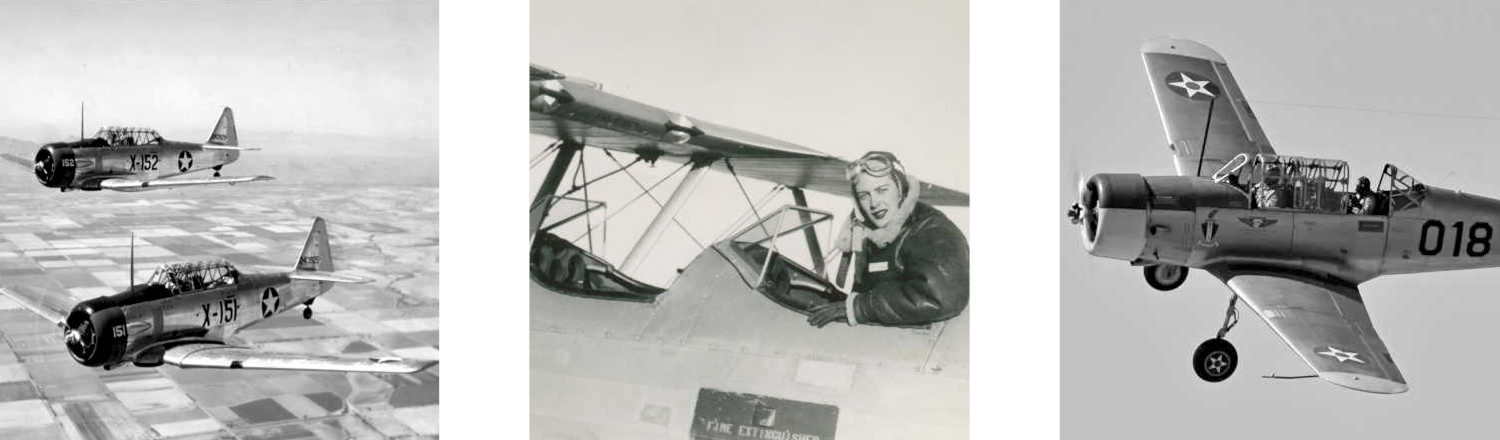
Aircraft displays are central to the visitor experience. The PT-17, BT-13, AT-6, and UC-78 trainers show how pilot training has evolved. Each plane reflects the different skills needed at various levels. These planes are more than machines. They are tools that shape discipline, judgment, and confidence.
Artifacts That Tell Personal Stories
Original uniforms, helmets, navigation instruments, and personal belongings bring individual lives into focus. Letters and medals preserved in the Museum’s collections reveal the personal cost of service and the pride that accompanied it. These artifacts allow visitors to connect individual experience to the broader mission.
Tours, Programs, and Educational Outreach
Guided tours offer extra depth, providing historical context and interpretation that enhance understanding. Educational aviation programs help students, veterans, and lifelong learners. They expand the Museum’s mission beyond its walls.
Community outreach and events keep the WASP legacy alive and visible, not stuck in the past.
Please notes, tours must be scheduled at least two weeks in advance through our website.
Research, Archives, and National Preservation
The WASP archives and collections support scholar-worthy research and family history inquiries. These records boost the Museum’s status as a key preservation institution. They also ensure that future generations know the record of contributions of the Women Air Force Service Pilots.
Women in Aviation History Resources
- National Archives – Women Airforce Service Pilots Records
- Smithsonian National Air and Space Museum – Women in Aviation History
- Women in Aviation International
Questions That Are Often Asked
What is the National WASP WWII Museum known for?
They preserve the history of the Women Air Force Service Pilots there. That history presents itself through aircraft, artifacts, archives, and educational programs.
Where is the WASP Museum located in Sweetwater, TX?
The Museum sits at Avenger Field, the original WASP training base during World War II.
How long should visitors plan for a visit?
Most visitors spend two to three hours exploring exhibits and participating in tours.
Are guided tours available?
Yes, guided tours are available for individuals and groups by arrangement.
What aircraft can visitors see?
Visitors can view PT-17, BT-13, AT-6, and UC-78 aircraft used in WASP pilot training.
Is the Museum appropriate for students?
Educational programs make the Museum well suited for student groups and educators.
Does the Museum host special events?
Yes, it holds lectures, ceremonies, and commemorations throughout the year.
To inquire about holding your event(wedding, corporatemeeting, community gathering, etc.) please contact Sherrie Whittenburg at sherriewhittenburg@waspmuseum.org.
Are archival materials accessible?
The WASP archives are available for research with proper arrangements. Please contact Archive Director, Ann Haub at ann@waspmuseum.org.
Honoring Courage Through History
The WASP Museum in Sweetwater, TX, preserves more than aircraft and artifacts. It keeps alive the spirit and service of a unique chapter of American history that took place during remarkable times. Each exhibit shows the hard work and spirit of the Women Air Force Service Pilots. Their legacy lives on through these displays.
Plan Your Visit
The National WASP WWII Museum welcomes visitors to explore history where it happened. No matter if you’re a traveler, educator, veteran, or student, your visit helps preserve history and honors the women who served.
Planning ahead lets us dive into this key chapter of aviation history. It’s a story of courage, discipline, and flight. Note: All guided tours must be scheduled at least 2 weeks in advance through our online process that’s available on our “Planning Your Visit” page.