During World War II, the Women Airforce Service Pilots took on critical flying duties across the United States, ferrying aircraft, support training operations, and free male pilots for combat assignments overseas.
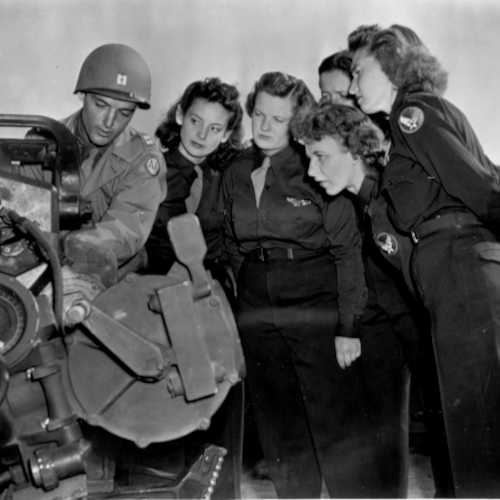
The Women Airforce Service Pilots, commonly known as the WASP, were civilian women pilots who served the United States during World War II. They ferried military aircraft, tested planes, towed aerial targets, transported personnel, and supported flight training operations across the country.
More than 1,000 women earned their wings as WASP pilots. Many trained at Avenger Field in Sweetwater, Texas, where the National WASP WWII Museum now preserves their stories, accomplishments, and lasting contributions to aviation history.
The Women Airforce Service Pilots program grew from an urgent wartime need for qualified pilots. As the United States expanded its air operations during World War II, experienced women pilots were called on to take over essential flying duties at home.
In 1943, the Women’s Auxiliary Ferrying Squadron and the Women’s Flying Training Detachment were combined to form the WASP, creating a unified organization of women pilots who served at military bases and airfields across the United States.
Experienced women pilots begin serving through the Women’s Auxiliary Ferrying Squadron and the Women’s Flying Training Detachment.
The two programs are merged to create the WASP.
WASP pilots trained at Avenger Field in Sweetwater, Texas, before serving at military bases and airfields across the country. Their duties included ferrying aircraft, towing targets, testing planes, transporting personnel, and supporting flight training.
The program is deactivated in December 1944 after thousands of women had applied and more than 1,000 had earned their wings.
Congress recognizes WASP service as active military service for purposes of veterans benefits. WASP veteran status.
The WASP Pilots are honored for their wartime service and contributions to American aviation.

WASP pilots carried out a wide range of flying assignments that supported the U.S. military during World War II. Their work included ferrying aircraft between factories and military bases, towing aerial targets for gunnery practice, testing repaired aircraft, transporting personnel and equipment, and supporting flight training.
WASP pilots flew many different types of military aircraft and served at bases across the United States. By taking on these essential domestic assignments, they helped free male pilots for combat duty overseas while proving that women could successfully handle demanding military flying operations.
Avenger Field in Sweetwater, Texas, became the primary training base for WASP trainees during World War II. There, trainees learned navigation, aircraft systems, military procedures, flight safety, and advanced flying skills while preparing for assignments across the United States.
Today, the National WASP WWII Museum preserves the history of Avenger Field and the women who trained there through historic aircraft, photographs, documents, personal artifacts, and the individual stories of the WASP who served.

The Women Airforce Service Pilots, commonly known as the WASP, were civilian women pilots who served the United States during World War II. They ferried aircraft, tested planes, towed aerial targets, transported personnel, and supported military flight training across the country.
WASP stands for Women Airforce Service Pilots. The organization was formed in 1943 when the Women’s Auxiliary Ferrying Squadron and the Women’s Flying Training Detachment were combined.
WASP pilots ferried military aircraft, tested repaired planes, towed targets for gunnery practice, transported personnel and equipment, and supported flight training and other domestic military operations.
Many Women Airforce Service Pilots trained at Avenger Field in Sweetwater, Texas. Avenger Field became the primary training base for women preparing for military flying assignments during World War II.
More than 1,000 women earned their wings as Women Airforce Service Pilots during World War II after completing demanding military flight training.
The Women Airforce Service Pilots received the Congressional Gold Medal in 2010 in recognition of their World War II service and contributions to American aviation.
The Women Airforce Service Pilots received the Congressional Gold Medal in 2010 in recognition of their World War II service and contributions to American aviation.