From early aviation pioneers to the Women Airforce Service Pilots of World War II, female pilots challenged expectations, mastered demanding aircraft, and helped shape the future of flight.
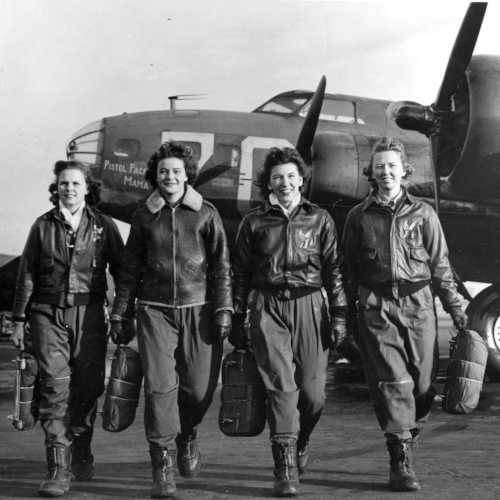
Female pilots served the United States during World War II by ferrying aircraft, testing planes, towing aerial targets, transporting personnel, and supporting military flight training. More than 1,000 women earned their wings as Women Airforce Service Pilots, commonly known as the WASP.
Many trained at Avenger Field in Sweetwater, Texas, where the National WASP WWII Museum now preserves their stories, achievements, and lasting contributions to aviation history.
Women have been part of aviation since its earliest years. From record-setting pioneers to the female pilots who served during World War II, each generation helped expand opportunities for the women who followed.
As powered flight developed, women began learning to fly, earning pilot licenses, and proving that aviation was not limited by gender.
Women competed in air races, completed long-distance flights, and established records that brought greater attention to female pilots and their capabilities.
With the United States facing a shortage of military pilots, experienced women aviators were recruited to ferry aircraft and support domestic flight operations.
Two earlier women’s flying programs were combined to create the Women Airforce Service Pilots, commonly known as the WASP.
Avenger Field in Sweetwater, Texas, became the primary training location for women preparing to fly military aircraft throughout the United States.
After decades of advocacy, members of the WASP were officially recognized for their military service. Learn more about the history and recognition of the WASP from the U.S. Air Force Historical Support Division.
The Women Airforce Service Pilots were honored with one of the nation’s highest civilian awards for their service and contributions during World War II.
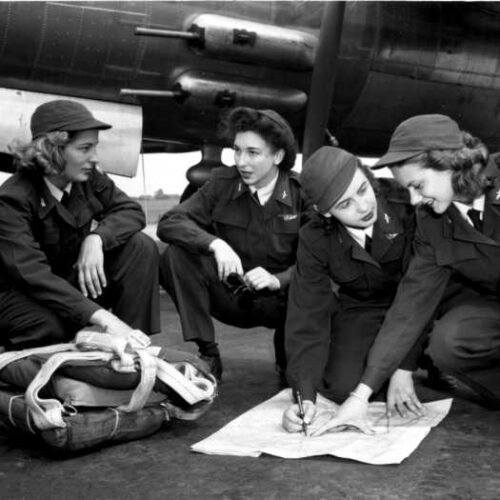
During World War II, experienced female pilots were recruited to help meet the nation’s growing aviation needs. In 1943, two earlier women’s flying programs were combined to form the Women Airforce Service Pilots, commonly known as the WASP.
WASP pilots ferried military aircraft, tested repaired planes, towed aerial targets, transported personnel, and supported flight training across the United States. Their service freed male pilots for overseas combat assignments and demonstrated that women could successfully operate demanding military aircraft.
Avenger Field in Sweetwater, Texas, became the primary training location for the Women Airforce Service Pilots during World War II. There, trainees studied navigation, aircraft systems, military procedures, and flight safety while preparing to operate military aircraft throughout the United States.
Today, the National WASP WWII Museum preserves the history of these pioneering female pilots through historic aircraft, personal artifacts, photographs, documents, and the individual stories of the women who trained and served.
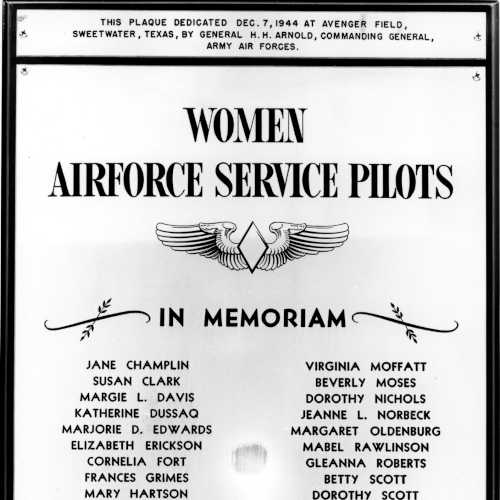
During World War II, women served as military support pilots through the Women Airforce Service Pilots program. They ferried aircraft, tested planes, towed aerial targets, transported personnel, and supported flight training throughout the United States.
WASP stands for Women Airforce Service Pilots. The program was formed in 1943 by combining two earlier women’s flying organizations created to support the United States during World War II.
WASP pilots flew a wide range of domestic assignments, including ferrying military aircraft, testing repaired planes, towing targets for training exercises, transporting personnel, and assisting with flight instruction.
Many WASP pilots trained at Avenger Field in Sweetwater, Texas. It became the primary training location for women preparing to fly military aircraft during World War II.
More than 1,000 women completed training and earned their wings as Women Airforce Service Pilots during World War II.
The Women Airforce Service Pilots received official veteran status in 1977, more than three decades after their wartime service ended.