The Cessna Bamboo Bomber: A Look at the UC-78 Aircraft
Nicknamed the “Bamboo Bomber” for its wood-and-fabric construction, the Cessna UC-78 played an important role in American aviation during World War II. Used for military pilot training and light transport duties, this twin-engine aircraft helped prepare aviators for more advanced flying assignments. Today, the National WASP WWII Museum is working to recover its own UC-78 and preserve an important piece of wartime aviation history.
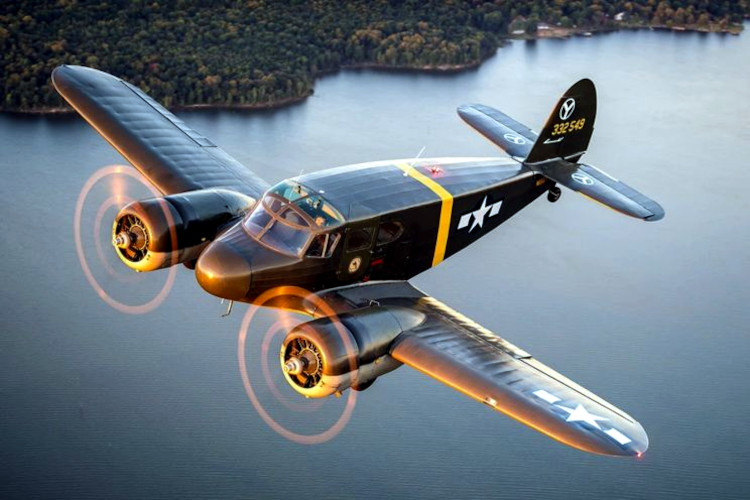
The Cessna UC-78 Bamboo Bomber was a twin-engine aircraft used by the U.S. military during World War II for pilot training and transportation. Its distinctive wood-and-fabric construction earned it a memorable nickname and helped make it a recognizable part of wartime aviation history.
What Was the UC-78 Bamboo Bomber?
The Cessna UC-78 Bamboo Bomber was a twin-engine military aircraft developed from the civilian Cessna T-50, which first flew in 1939. During World War II, the U.S. military adopted the aircraft for pilot training, personnel transportation, and other light-duty assignments.
The nickname “Bamboo Bomber” came from its primarily wood-and-fabric construction. Despite its name, the aircraft was not designed as a bomber. Instead, it became a useful training and transport aircraft during a period when the military needed large numbers of pilots and dependable airplanes.
The UC-78 featured a high-wing design, two engines, and retractable landing gear. These characteristics made it an important part of the transition from basic flight instruction to more advanced, multi-engine aircraft operations.
The Cessna Bamboo Bomber Through World War II
From its civilian beginnings to its military service, the Cessna T-50 evolved into an important training and transport aircraft. Its development reflects the rapid expansion of American military aviation during World War II.
1939
The Cessna T-50 Takes Flight
Cessna introduces the T-50, a twin-engine aircraft designed for civilian transportation. Built using wood, steel tubing, and fabric, the aircraft would eventually become the foundation for several military versions.
1940
The U.S. Army Orders the AT-8
Recognizing the need for multi-engine pilot training, the U.S. Army Air Corps orders the Cessna AT-8. This military version of the T-50 helps prepare pilots for the demands of flying larger, more complex aircraft.
1942
The Bobcat Takes on a Transport Role
The U.S. Army Air Forces adopts the Cessna Bobcat for light personnel transportation. Its compact twin-engine design makes it useful for moving military personnel and supporting wartime aviation operations.
1943–1945
The UC-78 Serves During World War II
Aircraft delivered beginning in January 1943 receive the UC-78 designation. By the end of the war, Cessna has produced more than 4,600 Bobcats for the U.S. Army Air Forces, contributing to pilot training and military transportation.
PRESERVING THE BAMBOO BOMBER
A Lasting Legacy of WWII Aviation
After World War II, many Cessna Bobcats entered civilian service, while others were eventually preserved by aviation museums and collectors. Today, the National WASP WWII Museum is working to recover its own UC-78, helping protect an important part of America’s aviation heritage for future generations.
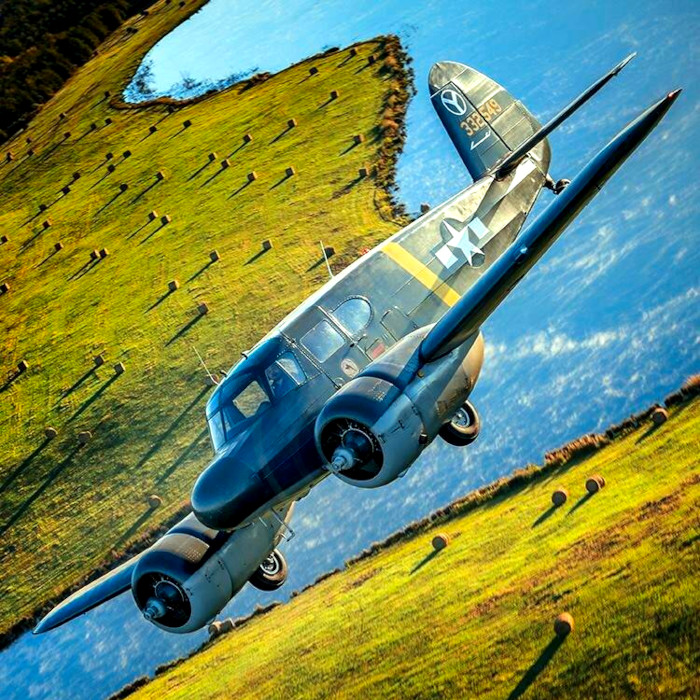
How the Cessna UC-78 Supported WWII Aviation
During World War II, the Cessna UC-78 Bamboo Bomber served the U.S. Army Air Forces as a light transport aircraft. Its twin-engine configuration made it well suited for carrying military personnel between airfields and supporting aviation operations across the United States.
The aircraft’s earlier military variants, particularly the AT-8 and AT-17, also played important roles in advanced pilot training. These aircraft gave pilots experience operating multi-engine airplanes before progressing to larger military aircraft.
The Bamboo Bomber’s versatility extended beyond the U.S. Army Air Forces. The Royal Canadian Air Force operated a version known as the Crane I, while the U.S. Navy received aircraft designated JRC-1. Together, these variations demonstrate how Cessna’s original civilian design adapted to the demands of wartime aviation.
Help Bring Our Cessna UC-78 Bamboo Bomber Home
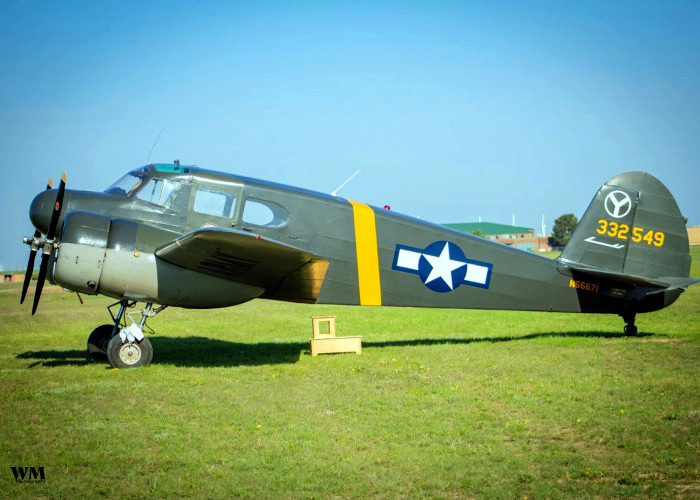
The National WASP WWII Museum is working to recover its own Cessna UC-78 Bamboo Bomber, an aircraft that represents an important chapter in American military aviation. Preserving this historic warbird will help the museum share the story of WWII aviation with future generations.
Through our Restore Her Wings fundraising campaign, supporters have an opportunity to contribute directly to the aircraft’s recovery and preservation. Every donation helps advance this important mission and brings us closer to welcoming the Bamboo Bomber home.
By supporting this effort, you’re doing more than helping recover an aircraft. You’re helping preserve the history of the men and women who contributed to America’s wartime aviation achievements.
Thank You to Our Generous Supporters
The National WASP WWII Museum gratefully recognizes the individuals whose generosity is helping bring our Cessna UC-78 Bamboo Bomber home.
Morrill Marston
With sincere appreciation
Joseph Hennessey
With sincere appreciation
We extend our heartfelt thanks to every supporter of the Restore Her Wings campaign. Each contribution brings us closer to preserving this important piece of WWII aviation history for future generations.
Cessna UC-78 Bamboo Bomber Specifications
| Specification | Cessna UC-78 Bobcat |
|---|---|
| Manufacturer | Cessna |
| Aircraft Model | UC-78 "Bobcat" |
| FAA Registration | N66671 |
| Engines | 2 × Jacobs R-755-9, 245 hp each |
| Maximum Airspeed | 175 mph |
| Range | 750 miles |
| Service Ceiling | 15,000 ft |
| Wingspan | 41 ft 11 in |
| Length | 32 ft 9 in |
| Height | 9 ft 11 in |
| Maximum Weight | 5,700 lbs |
Specifications provided by the National WASP WWII Museum.
Aircraft details may vary by model and configuration.
Questions About the Cessna UC-78 Bamboo Bomber
1. Why was the Cessna UC-78 called the Bamboo Bomber?
The Cessna UC-78 earned the nickname “Bamboo Bomber” because of its wood-and-fabric construction. Despite the nickname, the aircraft contained no bamboo and was never designed to serve as a bomber.
2. What was the Cessna UC-78 used for during World War II?
The Cessna UC-78 Bobcat served as a light transport aircraft and was part of a family of twin-engine aircraft used for military pilot training. Related versions, including the AT-17, helped prepare pilots for larger transport and bomber aircraft.
3. Did the Women Airforce Service Pilots (WASP) fly the UC-78?
Yes. According to the National WASP WWII Museum’s historical records, the UC-78 Bobcat was used by WASP pilots for multi-engine training. As many as 40 twin-engine trainers were stationed at Avenger Field in Sweetwater, Texas, during the summer of 1943.
4. When was the Cessna Bamboo Bomber built?
The aircraft originated as the civilian Cessna T-50 in 1939. Cessna continued producing military versions during World War II, including aircraft designated AT-17 and UC-78.
5. What was the Cessna UC-78 made of?
The aircraft used a fabric-covered tubular steel fuselage and wooden wings. These materials helped conserve strategic resources during wartime, but the wood-and-fabric construction also made surviving aircraft vulnerable to deterioration.
6. What are the specifications of the Cessna UC-78?
According to the museum’s aircraft media kit, the UC-78 has a wingspan of 41 feet 11 inches, a length of 32 feet 9 inches, and two 245-horsepower Jacobs engines. Its listed maximum airspeed is 175 mph, with a range of approximately 750 miles.
7. How can I help the National WASP WWII Museum recover its UC-78?
The museum’s Restore Her Wings fundraising campaign supports the recovery and preservation of its Cessna UC-78 Bamboo Bomber. Visitors can contribute through the museum’s online donation campaign and help protect this piece of World War II aviation history.