How the National WASP WWII Museum Preserves the Legacy
Media Content Usage
All content, photographs, and videos located on this website, the Texas Portal of History, and Vimeo are the property of the National WASP WWII Museum, Inc. These materials may not be used for commercial, government, or non-profit organizations without express permission of the Museum. To discuss usage, please contact ann@waspmuseum.org. Individual students from elementary to graduate school may use pictures or content with proper citations for school projects only.
WASP Tales | Avenger Blog Post
Three Sixth Graders from Iowa Help Continue the WASP Legacy
WASP Tales | Avenger Blog Post
Lillian Yonally - A Life in Color
In 2005, while recording her oral history, Lillian Yonally recalled the thrilling sensation of lifting up from a runway and into the air.
Written by Julia Lauria-BlumTHIS DAY
IN HISTORY:
Women’s History in World War II Aviation: How Female Pilots Supported the War Effort

Women History: World War II led to a huge increase in aviation resources in the United States and its allies. Aircraft production grew rapidly. Training bases spread nationwide, and the need for skilled pilots surged. With thousands of male pilots sent overseas for combat, the military sought ways to keep domestic aviation running. They aimed to avoid disrupting the flow of aircraft needed for the war effort. In this context, a key chapter in women’s history began. Female pilots stepped up, playing vital roles in wartime aviation support.
Women with aviation experience showed their skills in civilian aviation before the war. Military planners noticed a shortage of domestic pilots. They started to explore whether trained women could help. This could involve ferrying aircraft, conducting test flights, and supporting training missions. These talks led to organized programs. They let women serve in aviation roles in the United States. The work of these pilots is an important part of women’s history. It marks a key moment in the rise of women military pilots. Today, places like the National WASP WWII Museum keep the stories of these aviators alive. They also explain how these women contributed to wartime aviation.
Women’s History and the Expanding Role of Female Pilots in World War II Women History
During the early years of World War II, aviation became one of the most important components of modern military operations. Aircraft were needed for combat missions, transportation, reconnaissance, and pilot training. Aircraft manufacturing facilities in the United States produced thousands of new planes. These planes needed to be delivered to training bases and staging facilities.
Military leaders saw the rising need for pilots. They realized that qualified civilian pilots could take on domestic aviation tasks. Women who had already earned pilot licenses in civilian aviation began to draw attention as a potential resource. Their involvement was a key moment in women’s history. It showed how female pilots could support the aviation needs of the war effort.
Women did not serve in combat roles, but they played a key part in domestic aviation. Their work helped keep the logistical network running for military aviation during the war.
Aviation Expansion and Wartime Pilot Shortages
The rapid growth of aviation during World War II created new logistical challenges for the United States Army Air Forces. Aircraft production facilities built planes faster than ever. Military training bases needed regular aircraft deliveries.
Military leaders also sent thousands of skilled male pilots to fight overseas. This shift caused a shortage of pilots in the United States who were needed to transport aircraft between factories and military bases. Without reliable transport for new aircraft, training programs and military readiness would have slowed down a great deal.
This operational challenge became a turning point in women’s history related to aviation. Military planners started looking into how trained women pilots could help. They could assist with ferrying missions and other aviation tasks for domestic operations.
Early Women Aviation Programs Before the WASP
Before a unified program for women pilots, two early efforts looked into including women in aviation support roles. The Women’s Auxiliary Ferrying Squadron (WAFS) started ferrying planes from factories to military bases. Nancy Harkness Love led the squadron. At the same time, the Women’s Flying Training Detachment (WFTD) trained women pilots for aviation support roles. The development of these early programs is also reflected in the historical records on the WAFS and WASP.
These programs showed that female pilots had the skills and training needed to fly military aircraft. Ferrying flights needed careful navigation and knowledge of different aircraft types. Pilots had to manage long routes in changing weather.
The success of these early programs helped shape an important moment in women’s history. They showed that women could do aviation tasks for military operations. This helped set up a bigger and more organized program.
Creation of the Women Airforce Service Pilots Program
In 1943, the two earlier aviation programs came together. They formed the Women Airforce Service Pilots program, or WASP. The new program created a central system for recruiting, training, and assigning women pilots. This focused on aviation support roles in the United States Army Air Forces.
Under aviation pioneer Jacqueline Cochran, the program grew quickly. It started assigning pilots to different operational tasks. These tasks included moving new aircraft. They also involved testing planes after repairs and helping with training exercises.
The WASP program was a major milestone in women’s history. It created one of the first large-scale aviation programs for women in the military.
The WASP are honored in women’s history.
Women’s History in Military Aviation Training
Training for the WASP program met strict standards for military aviation. Women chosen for the program had flight experience. They received extra training for the Army Air Forces’ specialized tasks.
The training program covered these topics:
- Navigation
- Meteorology
- Aircraft mechanics
- Military aviation procedures
Classes focused on each area. Trainees logged many flight hours to get ready for the different aircraft they would face during ferrying missions.
This training process is key in women’s history. It showed that female pilots could meet the same technical standards as their male counterparts in aviation.
Training Female Pilots at Avenger Field
Avenger Field in Sweetwater, Texas, served as the primary training location for WASP pilots. The facility became the program’s main hub. Trainees received classroom education and flight instruction there.
The training program at Avenger Field was designed to resemble military pilot training. Women learned navigation methods, aircraft systems, and flight safety. They also completed demanding flight exercises.
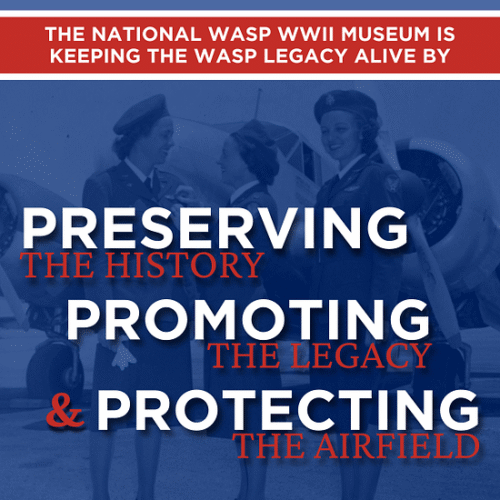
Today, Avenger Field is important because it is where hundreds of women finished their aviation training. The National WASP WWII Museum keeps the history of the pilots who trained there. It also shows their role in women’s history and wartime aviation.
The development of the Women Airforce Service Pilots program is well documented in historical records of the Women Airforce Service Pilots.
Ferrying Aircraft Across the United States
WASP pilots had a key role in ferrying aircraft. They transported planes from factories to military bases across the United States. These ferry missions ensured new aircraft got to training centers and staging areas quickly.
Pilots flew many types of aircraft on these missions. They often traveled long distances on unfamiliar routes. Ferrying operations needed careful planning and navigation. This was especially true when pilots faced tough weather.
These missions played a critical role in the aviation infrastructure supporting the war effort. Women pilots transported aircraft in the United States. This allowed male pilots to stay focused on combat overseas.
Testing Aircraft and Supporting Training Missions
WASP pilots did more than ferry assignments. They also flew test flights and helped with military training exercises. Repaired or modified aircraft required evaluation flights to ensure they were safe for use.
Women pilots also participated in target-towing missions that supported aerial gunnery training. These flights towed targets behind aircraft. This allowed military trainees to practice live-fire exercises.
These tasks needed technical skills and confidence in flying the aircraft. Female pilots’ ability to complete these tasks added to women’s history in military aviation.
Aircraft Operated by Women Pilots
WASP pilots flew many different types of aircraft during the war. Training aircraft were often used at first. However, many pilots also flew larger, more complex aircraft for ferrying missions.
Some ferry flights involved delivering fighter aircraft or transport planes between military installations. Pilots needed to adapt quickly to the unique handling characteristics of each aircraft type.
Flying many types of aircraft showed how adaptable and skilled these aviators were. Their work remains an important part of women’s history related to aviation.
Institutional Challenges Faced by Women Pilots
Despite their contributions to wartime aviation, WASP pilots faced several institutional challenges. The program operated as a civilian organization rather than as an official branch of the military. Participants did not receive military benefits or recognition like male service members at first.
These situations showed wider social views on gender roles in the military during the 1940s. Even so, the accomplishments of these pilots demonstrated their ability to meet the demands of military aviation.
Over time, people began to recognize their contributions. Their role in aviation history became well known.
Postwar Recognition and Historical Legacy
The WASP program ended in 1944. Military needs shifted, and returning pilots took over domestic aviation jobs. For many years after the war, the contributions of these women received limited public attention.
Later research and advocacy efforts helped bring greater recognition to their achievements. Historical records and museum displays are key to preserving this story.
Today, the National WASP WWII Museum shares the stories of these pilots. It highlights their role in women’s history and the growth of aviation.
FAQs
1. What was the Women Airforce Service Pilots program?
The Women Airforce Service Pilots program was a World War II effort. It allowed trained women pilots to support the U.S. Army Air Forces. They did this by ferrying aircraft and conducting test flights.
2. How did female pilots contribute to World War II aviation?
Women pilots helped by moving planes between factories and bases. They also tested repaired aircraft and supported training exercises. These activities helped maintain aviation operations within the United States during the war.
3. Where did WASP pilots receive their training?
Most WASP pilots trained at Avenger Field in Sweetwater, Texas. There, they took classroom lessons and flight training. This prepared them for aviation support roles.
4. Did women pilots fly combat missions during World War II?
Women pilots did not participate in combat missions. They handled domestic aviation operations. These operations supported military training and transported aircraft.
5. How many women served in the WASP program?
More than one thousand women trained and served as pilots in the WASP program during World War II.
6. Where can visitors learn more about WASP history today?
Visitors can explore exhibits, view historical artifacts, and access educational resources at the National WASP WWII Museum. The museum honors the pilots who trained and served at Avenger Field.
The Historical Importance of Female Pilots in World War II Aviation
The contributions of female pilots during World War II represent an important chapter in women’s history. These pilots helped keep military aviation strong in the United States through organized aviation programs and operational assignments. Their work demonstrated both technical skill and professional dedication in demanding aviation environments.
Understanding this time in women’s history gives a clearer view of how aviation roles grew during the war. It also shows how female pilots helped the military effort.
Conclusion and Visitor Information
Female pilots in World War II showed how women became vital to aviation for the war effort. Women Airforce Service Pilots transported aircraft, flew test missions, and supported training. Their work boosted wartime aviation efficiency and marked an important chapter in women’s history.
The National WASP WWII Museum honors these pilots today through exhibits, educational programs, and historical interpretation.
National WASP WWII Museum
325-235-0099
Send an email
Fill out our web form
WASP in the Spotlight
Avenger Blog

Women’s History in World War II Aviation: How Female Pilots Supported the War Effort
Women History: World War II led to a huge increase in aviation resources in the United States and its allies. Aircraft production grew rapidly. Training bases spread nationwide, and the

Jacqueline Cochran: The Trailblazer Who Redefined Speed and Women’s Aviation History
Jacqueline Cochran: Aviation Pioneer and Leader of the WASP Jacqueline Cochran occupies a central place in twentieth-century aviation history. Her career spanned air racing, military organization, flight testing, and record-setting
March 1
In 1977, Baa Baa Black Sheep Episode “Black Sheep Squadron” W*A*S*P*S premieres in the first season, episode 20. WASP Dorothy J. Dodd Eppstein 44-1 WASP June Braun Bent 44-3 is
February 6
In 1943, the previous goal of graduating 396 pilots, doubled to 750. WASP Alma Marie Jerman Hinds 43-2 is born in 1915. WASP Margaret E. Kerr Boylan 43-2 is born
February 5
WAFS Cornelia Fort is born in 1919 at Nashville, TN WASP Carol Kelly Granger is born in 1921 WASP Mary Eleanor Martin Sabota is born in 1918
February 4
WASP Tex Brown Mechem 43-7 is born in 1918 WASP Ruthmary Buckley Cole is born in 1914